Russia Children’s Books

“Folklore is important for understanding people’s cultural narratives – story lines that describe something unique to the culture’s history and its people. They help to define a cultural identity and, in subtle ways, shape future choices…In Russian fairy tales, the main character eventually prevails. He doesn’t win through his own virtues, though, but through the intervention of a magical being – a fish, a frog, a horse – that does all the hard work while the main character claims credit.”

− Mia M. Bloom & Sophia Moskalenko

Russian folklore is, indeed, entrenched in the Russian people, Continue reading
Ukraine Children’s Books

As we approach two years since Russia invaded Ukraine, escalating the Russo-Ukrainian war that began in 2014, I’m sharing some (mostly) fiction set in the Ukraine. Sadly, the backdrop is either the wars of the twentieth century or the current war.

If I were to pick one from my list below, I would start with the remarkable diary of 12-year-old Yeva Skalietska who fled Ukraine in 2022. My girls and I attended a remarkably composed presentation given by Yeva at the Oxford Literary Festival last spring and came home fighting over who was going to read the diary first.

Continue reading

Over 20 Refugee Stories

Images of war-torn nations continue to dominate our newsfeeds, and natural disasters continue to leave whole communities homeless. Desperate mothers, fathers, aunts, uncles, grandparents, sons and daughters continue to pour into the U.K seeking refuge – a life where they can safely put food on the table. Only this morning I chatted to a Ukrainian lady at the cash desk in a coffee shop, and a Syrian lady at a tailor’s where I was having some alterations done. How wonderful that they can start to rebuild their lives here.

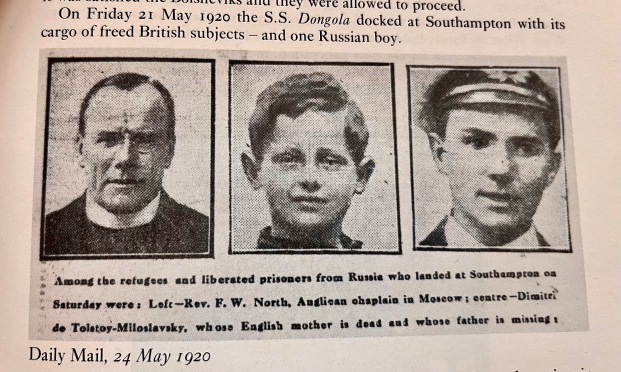
In 1920, my own grandfather fled from the Bolsheviks in Russia, and arrived by boat at the docks in Southampton without his parents. My Russian grandmother also escaped as a young girl, arriving a few years later.

66D2078B-24EE-46AD-BCDE-80647A56C861

It’s important for children to immerse themselves in refugee stories, so that they empathise with those recent arrivals sitting next to them on the bus or in the classroom, and welcome them. These stories familiarise children with the plight of refugees and the assistance they need, thus helping them grow up to be a compassionate generation. Continue reading

20 Children’s Books 9+

Those who write for children are trying to arm them for the life ahead with everything we can find that is true.  And perhaps, also, secretly, to arm adults against those necessary compromises and necessary heartbreaks that life involves: to remind them that there are and always will be great, sustaining truths to which we can return.

— Katherine Rundell, Why You Should Read Children’s Books, Even Though You Are So Old and Wise

Rundell’s words are ringing in my ears. Continue reading

Children’s Fiction 8+

The children should have the joy of living in far lands, in other persons, in other times—a delightful double existence; and this joy they will find, for the most part, in their story-books”

— Charlotte Mason (Vol. 1, p. 153)

So it looks like holidays are off the cards this summer for most of us but in Charlotte Mason’s words we can still “have the joy of living in far lands, in other persons, in other times…”  So at a time when we can’t travel and see people so easily, books are a magical way of doing just that both for us adults and our children. So let’s help our children travel this summer and choose books to take them places.  They may even make some friends along the way. Continue reading